
Chemical submission: when the fiction of Stranger Things reveals a very real risk
Introduction — when Hawkins opens the door to danger
In episode 3 of the final season of Stranger Things , in the fictional town of Hawkins (Indiana, USA) , a group of children — led by Mike Wheeler — devise a dark plan: to use tranquilizers found in a mother's medicine cabinet, drug a pie intended for an entire family, to neutralize the parents and “protect” a future victim of the evil embodied by Vecna .
This chilling fictional scenario sheds light on a reality that is all too often trivialized: chemical submission . While fiction fantasizes about drugs as a tool of power, reality makes them a tool of violence.
Chemical submission: what are we talking about?
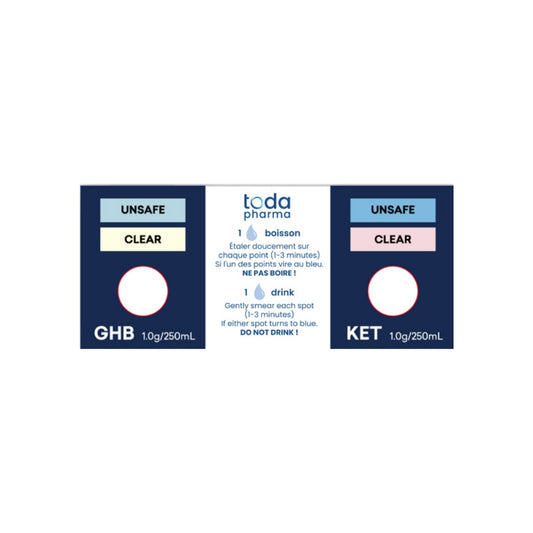
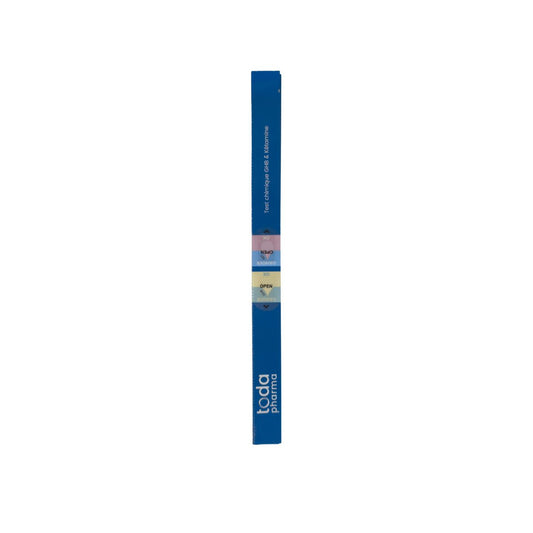
Chemical submission refers to the administration, without knowledge or consent, of a psychoactive substance (alcohol, GHB, benzodiazepines, hypnotics, synthetic drugs...) to a person with the aim of weakening them, making them vulnerable, preventing them from resisting or remembering.
Frequently cited substances include benzodiazepines, anxiolytics, and sedatives —medications often found in medicine cabinets. Their misuse, combined with assumed trust or consent, poses a serious risk.
Anxiolytics – a commonplace everyday occurrence, but dangerous when misused
In many homes, these medications—prescribed for anxiety, insomnia, or other disorders—are kept as harmless remedies. But off-label or unauthorized use, or intentional misuse, can have dramatic consequences:
- Drowsiness, confusion, loss of reflexes, loss of alertness
- temporary or total amnesia
- Overdose, coma, dangerous interaction with alcohol or other substances
These drugs are therefore much more dangerous than we think — and when used to incapacitate a victim, toxicity is only the tip of the iceberg.
When fiction trivializes violence, prevention efforts must raise the alarm.
The Stranger Things storyline illustrates how drugs can be normalized, reduced to a mere "tool" of manipulation, almost commonplace. While fiction may not be subject to the same real-world constraints (analysis, detection, justice), life itself demands vigilance.
It is crucial to remember that behind the idea of a “tranquilizer in a pie” lies very real violence — drug assault, violation of consent, psychological or physical alteration, lasting trauma.
Why prevention is essential — empower, protect, act
Anyone can be affected — a party, a shared drink, a moment of weakness, blind trust. Prevention means: raising awareness, informing, alerting, and instilling good habits.
For a home, an event, a business or an association, this also means: never trivialize, guarantee consent, monitor drinks, support the most vulnerable.
Conclusion — collective vigilance against invisible danger
Stranger Things and Netflix remind us that evil can take insidious forms—anxiolytics, a doctored pastry, blind trust. AMA Prevention reminds us that drug-facilitated sexual assault is not fiction.
Protecting, raising awareness, informing — that's our collective mission. Every drink, every moment, every consent counts.