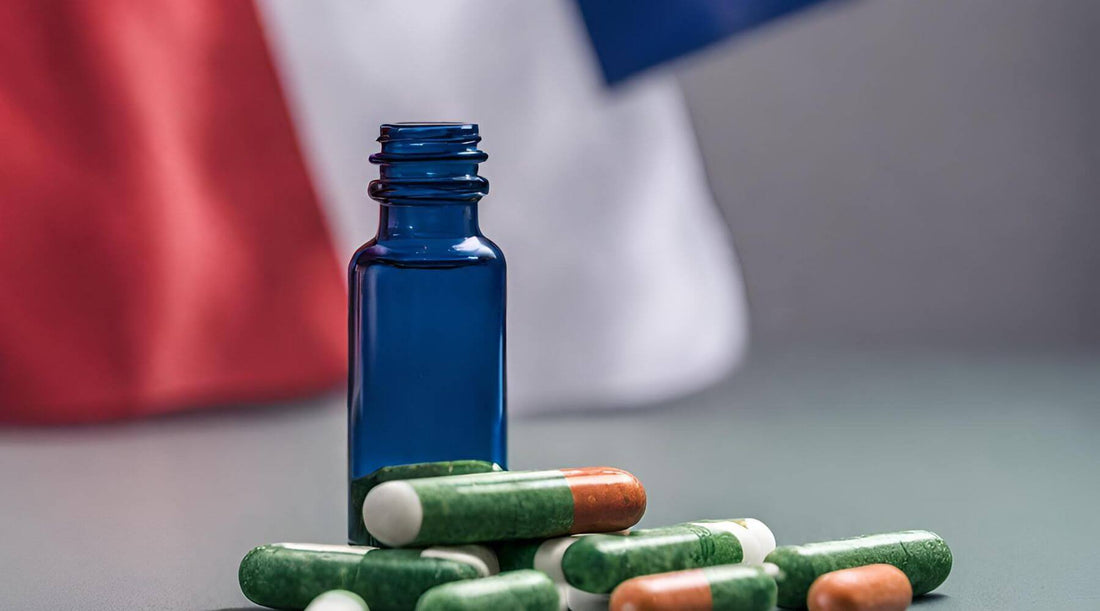
Flacon et divers types de drogues, illustrant la consommation et la diversité des substances en France, pour sensibiliser à leur impact et à la prévention.

Drugs in France: The Numbers, the Risks, and the Solutions

A comprehensive overview of drug use in France

Drug use is a major public health and safety issue in France, affecting various age groups and social backgrounds. This text explores the different categories of drugs consumed, from hallucinogens to stimulants and depressants. It also examines current trends, legal implications, and preventive measures in place. By providing statistics and facts, this document aims to offer a complete and nuanced overview of the drug issue in France.

Hallucinogenic drugs

Hallucinogenic and disruptive substances are among the most commonly used drugs today.

One of the best-known drugs is cannabis, also called weed, hash, dope, blow, grass, or herb. Cannabis is derived from a natural plant and can be consumed in various forms, including oil, stems, leaves, and resin. Resin is usually sold in blocks or solid pieces and is often mixed with tobacco to make a joint or rolled into a blunt. Cannabis can also be consumed by eating or cooking it.

Ketamine is another hallucinogenic drug. It is a medication generally used as an anesthetic. However, it is often misused as a psychoactive substance and is usually snorted.

Ecstasy is another commonly used drug, manufactured in clandestine laboratories in some European countries. It is consumed in tablet form bearing various signs and logos. These tablets may also contain other drugs.

LSD, also known as acid, is available in very small tablets, strips, or dots. It is a powerful hallucinogenic drug that can cause intense and long-lasting effects on the mind and body.

Drug prevention and screening – Drugs in France: Figures, risks and solutions

Stimulants and their impact

Addiction is a serious problem affecting people of all ages and backgrounds. Among the most commonly used drugs are stimulants.

One of these is cocaine, a white powder made from coca leaves that grow in South America. It is known by various street names such as coke, snow, and charlie. This drug can be inhaled, eaten, or injected, and its highly addictive form, crack, is even more dangerous.

Another type of stimulant is amphetamine, which comes as a white powder sold in a folded paper called a wrap. They are known by street names such as speed, uppers, and whizz. These drugs were once used as appetite suppressants but are now commonly used recreationally. They can be ingested, inhaled, or injected.

Finally, there is methamphetamine, commonly called crystal meth or meth. This synthetic drug is made from pseudoephedrine and ephedrine, found in common cold medicines. It is available as a powder and can be ingested, snorted, injected, or smoked. It creates strong addiction and can cause severe physical and psychological damage. It is important to note that all stimulants can have serious health consequences and lead to addiction and overdose.

3-Methylmethcathinone (3MMC) is a synthetic drug belonging to the cathinone family.3MMC can cause effects similar to those of MDMA or cocaine, such as euphoria and increased energy. However, it can also lead to serious side effects like insomnia, anxiety, and heart problems.

Drug prevention and screening – Drugs in France: Figures, risks and solutions

Statistics and trends in France

Drug use statistics show an increasing trend in France in recent years.

Among the various drugs consumed, cannabis ranks first with 3.9 million users, of whom 1.2 million are frequent consumers. Shockingly, nearly one-third of these users have problematic consumption habits, and 10% of them have reached the stage of addiction. However, cannabis is not the only concerning drug.

Depressants, such as GHB and heroin, also represent a significant threat to society. GHB, taken orally and available in various forms, is a central nervous system depressant. Heroin, on the other hand, is an opioid made from morphine that acts as a depressant and disrupts the nervous system. It can be smoked or injected.

The situation is alarming, and as a responsible society, we must take preventive measures.


Drug use is a widespread problem in France, affecting both young and older populations.

Cocaine, for example, has become a trendy drug mainly consumed by the younger generation. In 2008, statistics showed that 3.3% of 17-year-olds had experimented with cocaine. Moreover, there are currently more than 150,000 cocaine users in France, with varying degrees of consumption.

Drug prevention and screening – Drugs in France: Figures, risks and solutions

New drugs and poly-drug use

Ecstasy and new synthetic drugs are also increasingly popular, especially at rave parties and nightclubs.

Consumption of heroin, however, is declining but remains commonly experimented with at festive events.

Poly-drug use, which includes alcohol, tobacco, and prescription medications, is also on the rise.

Legal aspects and penalties in France

In France, offenses related to drug laws take various forms.

The first is the offense of drug consumption, which is committed when illegal drugs are used. This offense is punishable by a fine of up to 3,750 euros and up to one year of imprisonment.

The second is the offense of drug trafficking, where any drug user who supplies drugs to others is considered a drug trafficker. This offense is punishable by a fine of up to 75,000 euros and a maximum prison sentence of 5 years.

Drug prevention and screening – Drugs in France: Figures, risks and solutions

Preventive measures and resources

Overall, the issue of drug use in France is not only a public health problem but also a legal one. The government is taking steps to address this issue by implementing stricter laws and providing education and resources to prevent drug use.

It is essential that individuals understand the risks associated with drug use and seek help if they are struggling with addiction.

Our range of drug screening tests, including urine and saliva tests, can assist professionals in their drug addiction prevention campaigns.

Risks for businesses and society

Drug use poses a significant risk both for businesses and society as a whole. It is essential to get help in your efforts to prevent and detect drug use, whether among young people or within a team of employees.

There are several prevention methods, such as seeking help from an external organization specialized in addiction management and drug screening. It is crucial to deliver a clear and educational message to raise awareness and encourage people to change their behavior.

Conclusion and perspectives

Drug-related offenses have serious consequences in France, but the new drug law has introduced a more lenient penalty for drug use. Despite this, drug use remains a major concern for businesses and society. It is crucial to take proactive measures to prevent and detect drug use, notably by calling on specialized expertise.

By spreading an effective educational message and using interactive tools, individuals and organizations can help raise awareness and discourage drug use.

B-SAFE scientific validation

The B-SAFE project, a drug detector pen for drinks, is validated and supported by Professor Jean-Claude Alvarez, toxicologist, professor of pharmacology-toxicology, and director of the toxicology laboratory at CHU Raymond-Poincaré/AP-HP in Garches.

A leading authority in toxicology, he is associated with reference work conducted in France on psychoactive substances and chemical submission, in a national ecosystem also brought into public debate by voices such as Sandrine Josso and Caroline Darian.

This validation strengthens B-SAFE’s technological positioning and the accuracy of its detection for preventing drugs in drinks. Discover the B-SAFE product sheet.

Back to blog

Leave a comment

Please note, comments need to be approved before they are published.