Skip to product information
1 of 5

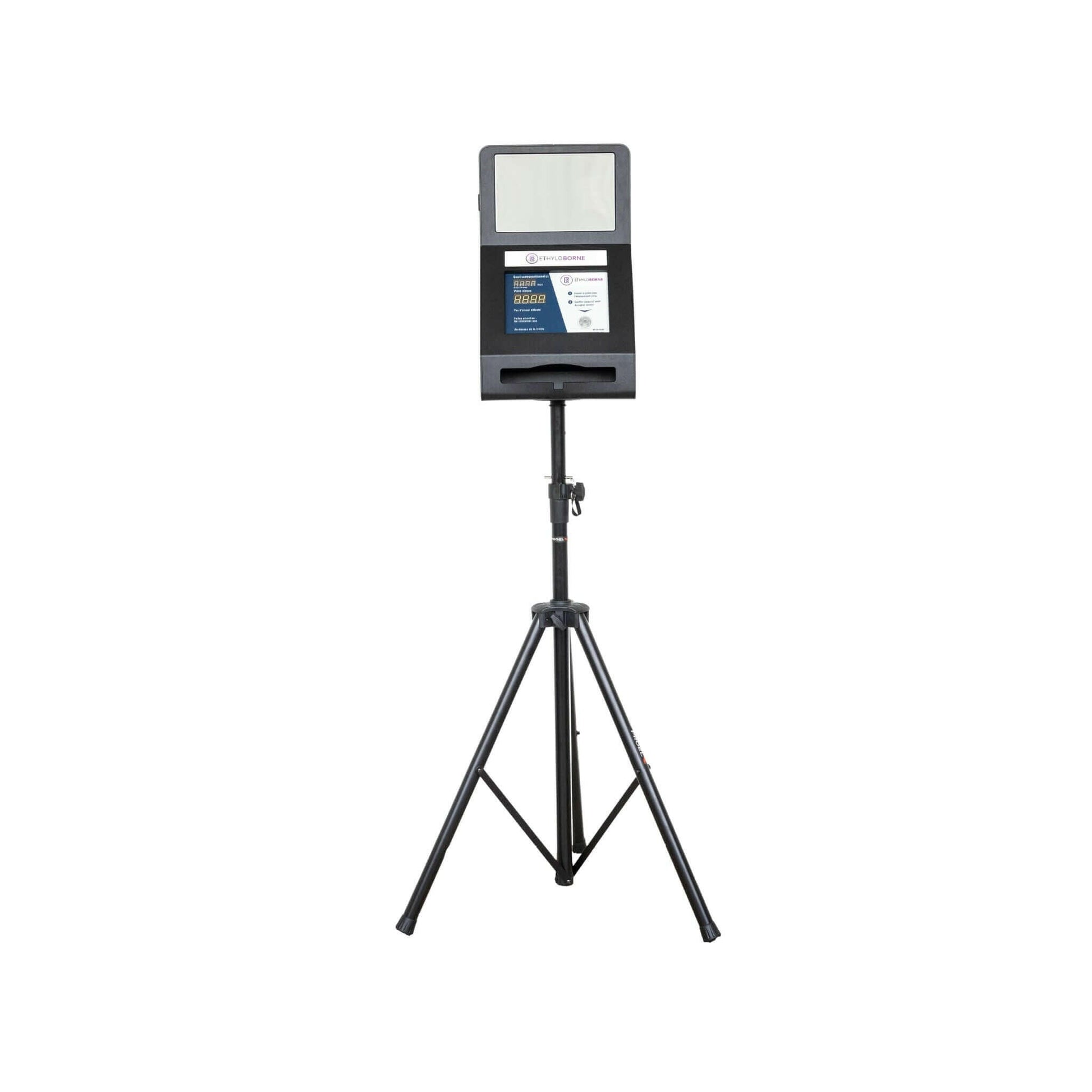
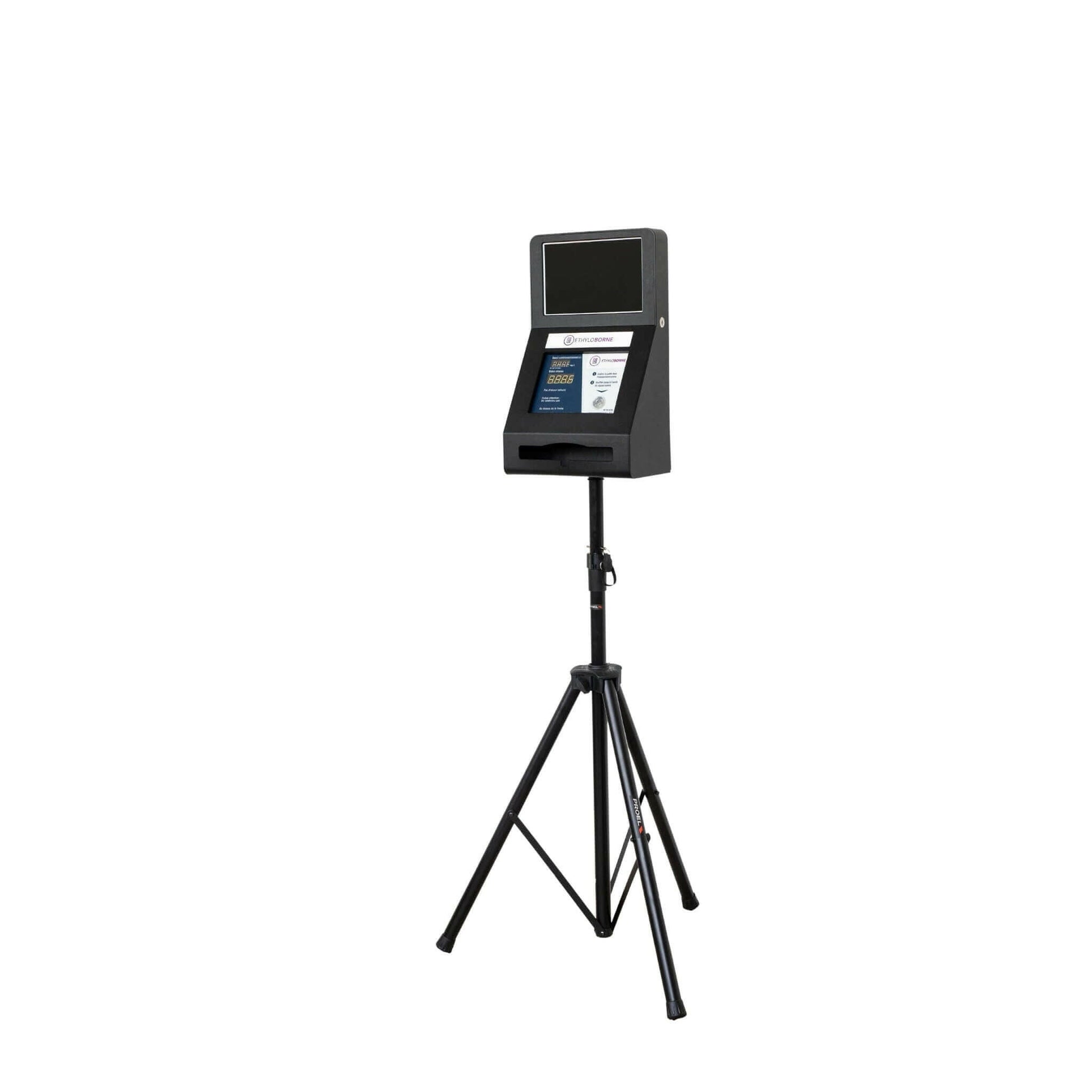
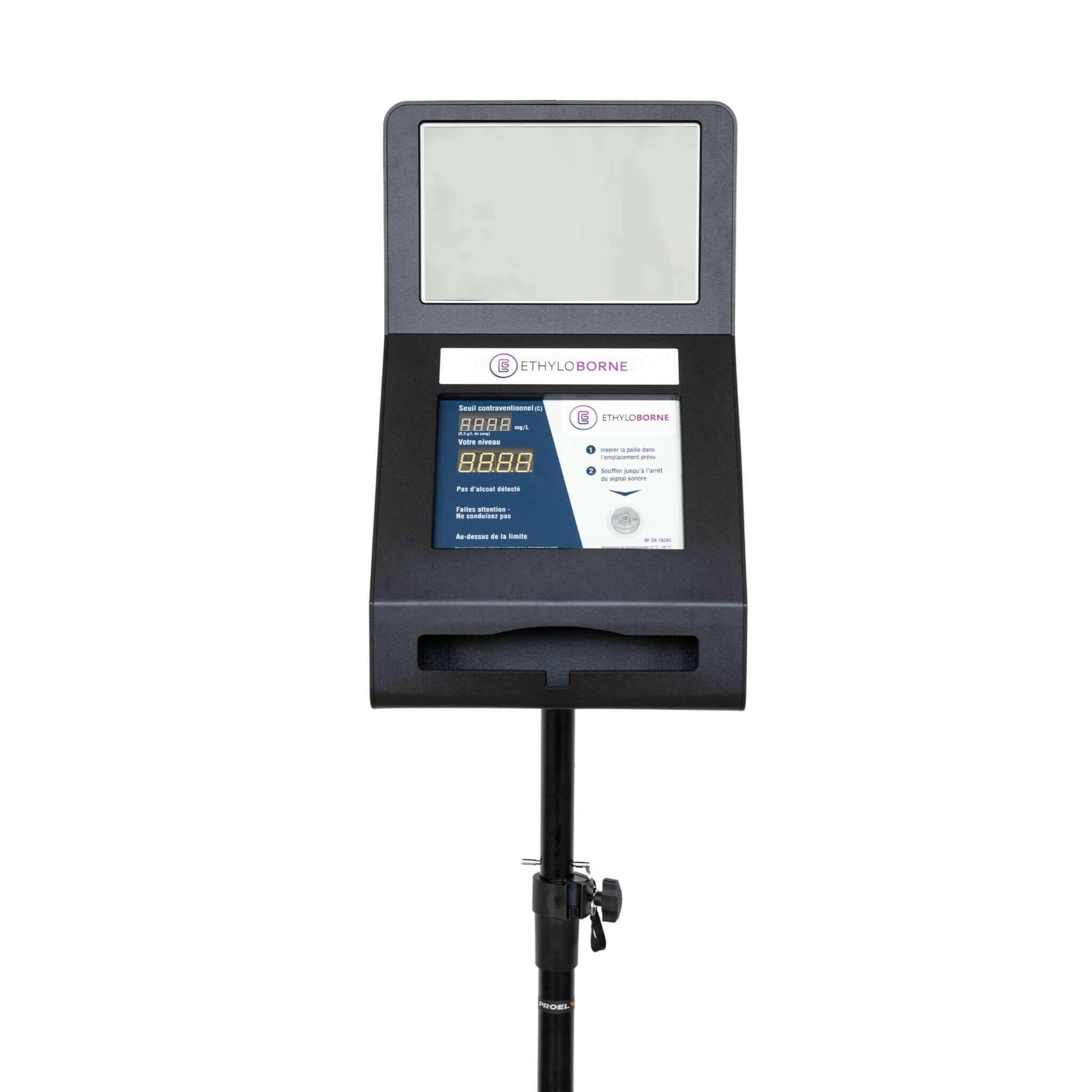
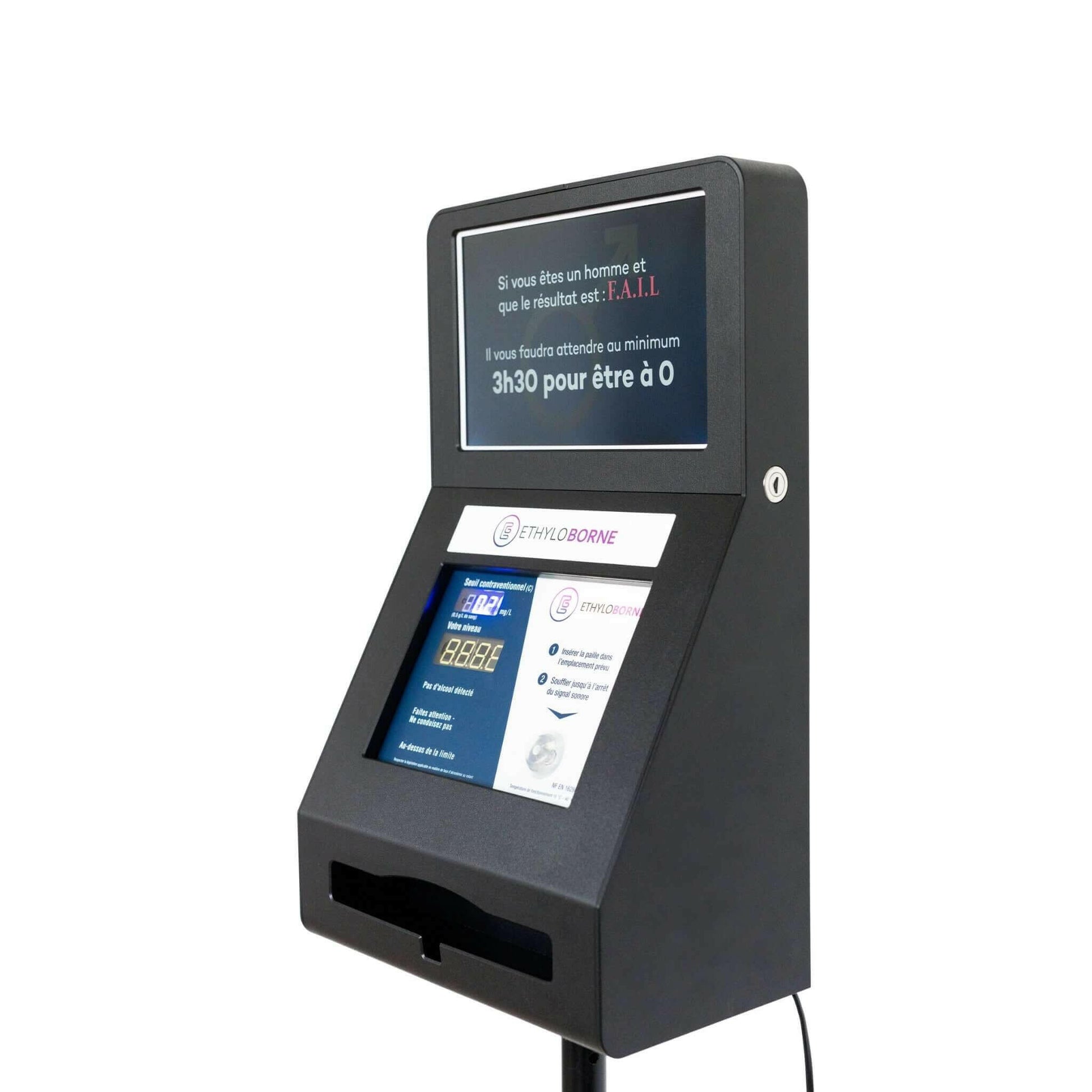
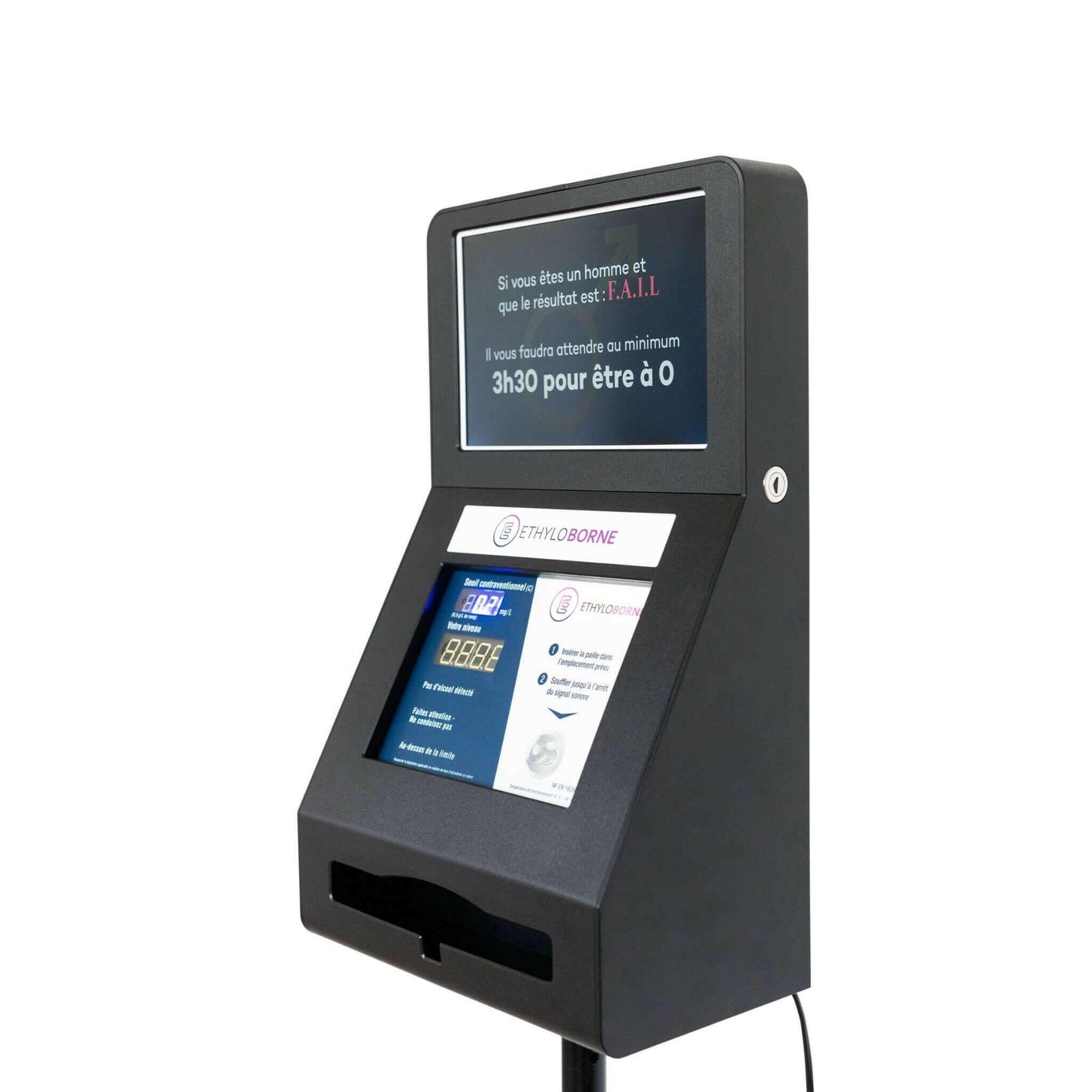
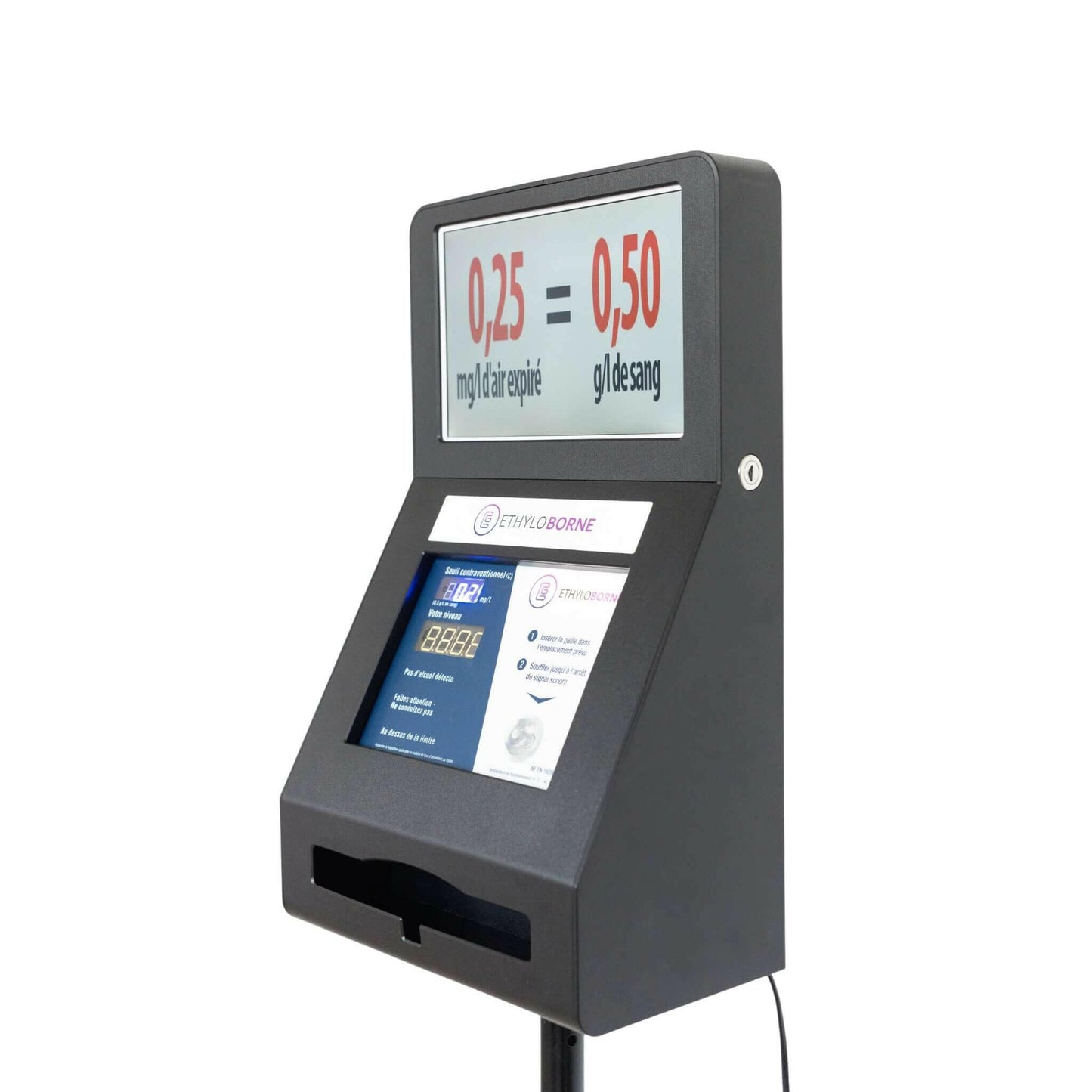
Electronic Breathalyzer Terminal Ethyloborne®

Regular price $5,599.00 USD
Regular price $6,109.00 USD Sale price $5,599.00 USD
Sale
Shipping calculated at checkout.
Quantity
Livraison express disponible Le lendemain avant 13h en point relais Option proposée au paiement selon éligibilité transporteur et heure de commande.
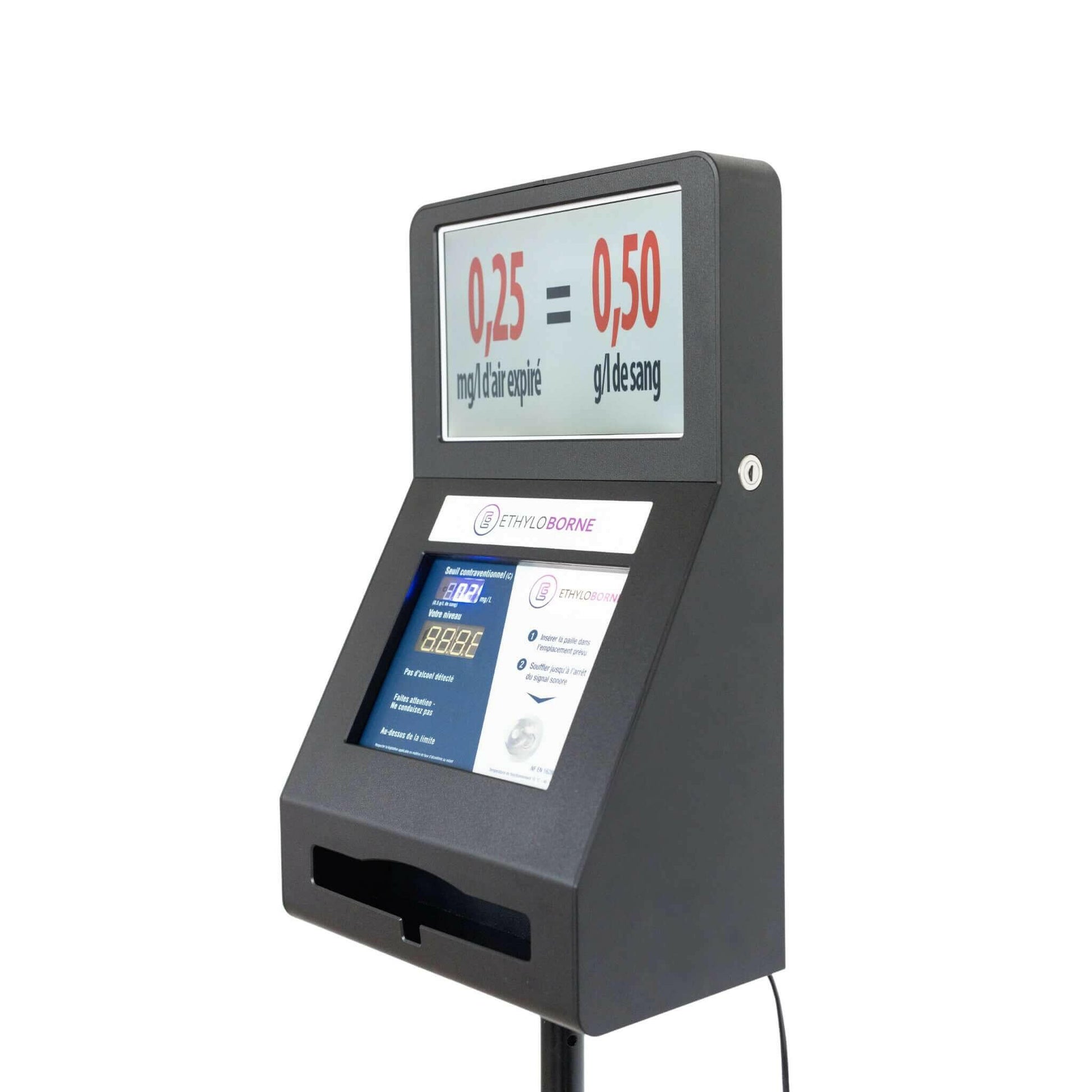
Breathalyzer terminal

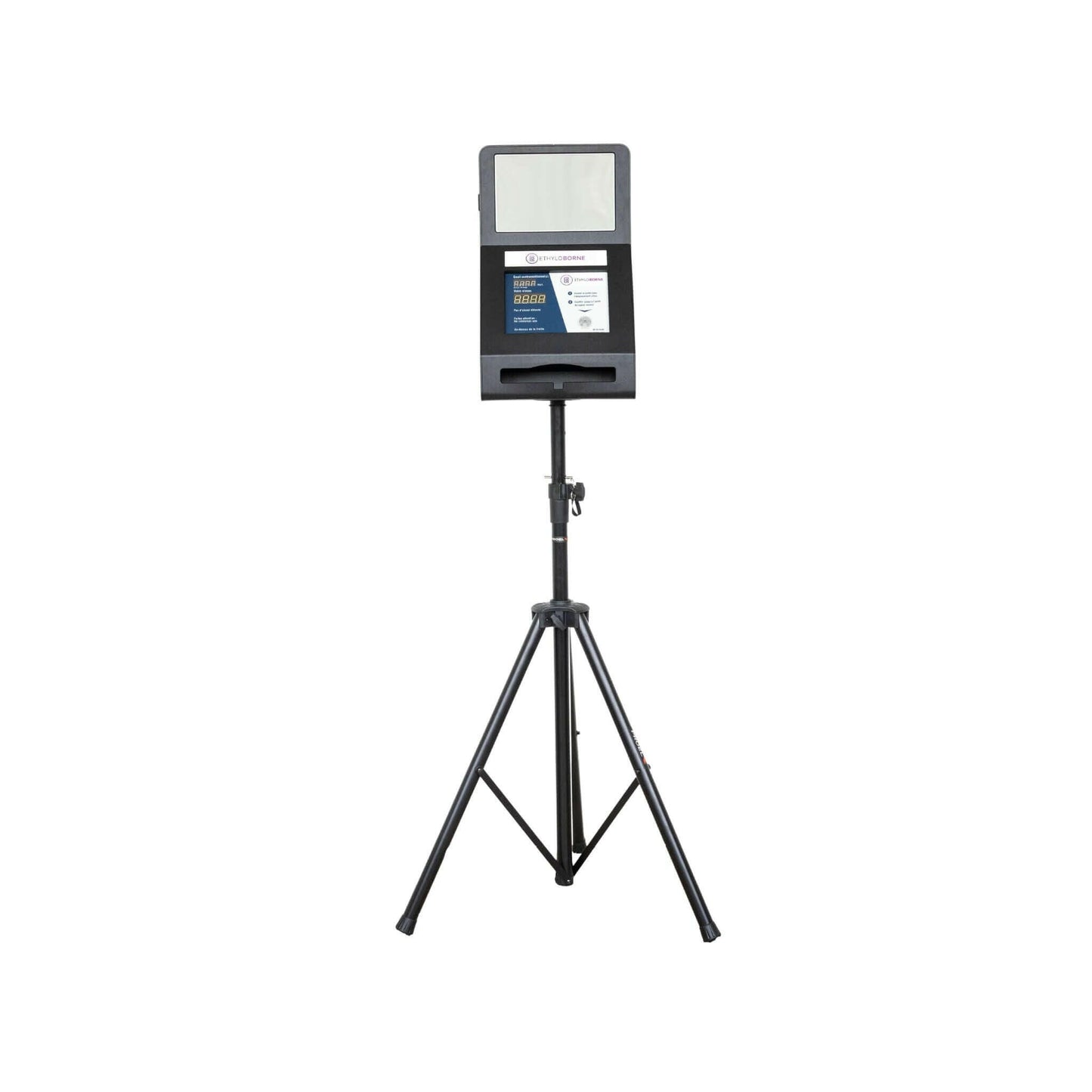
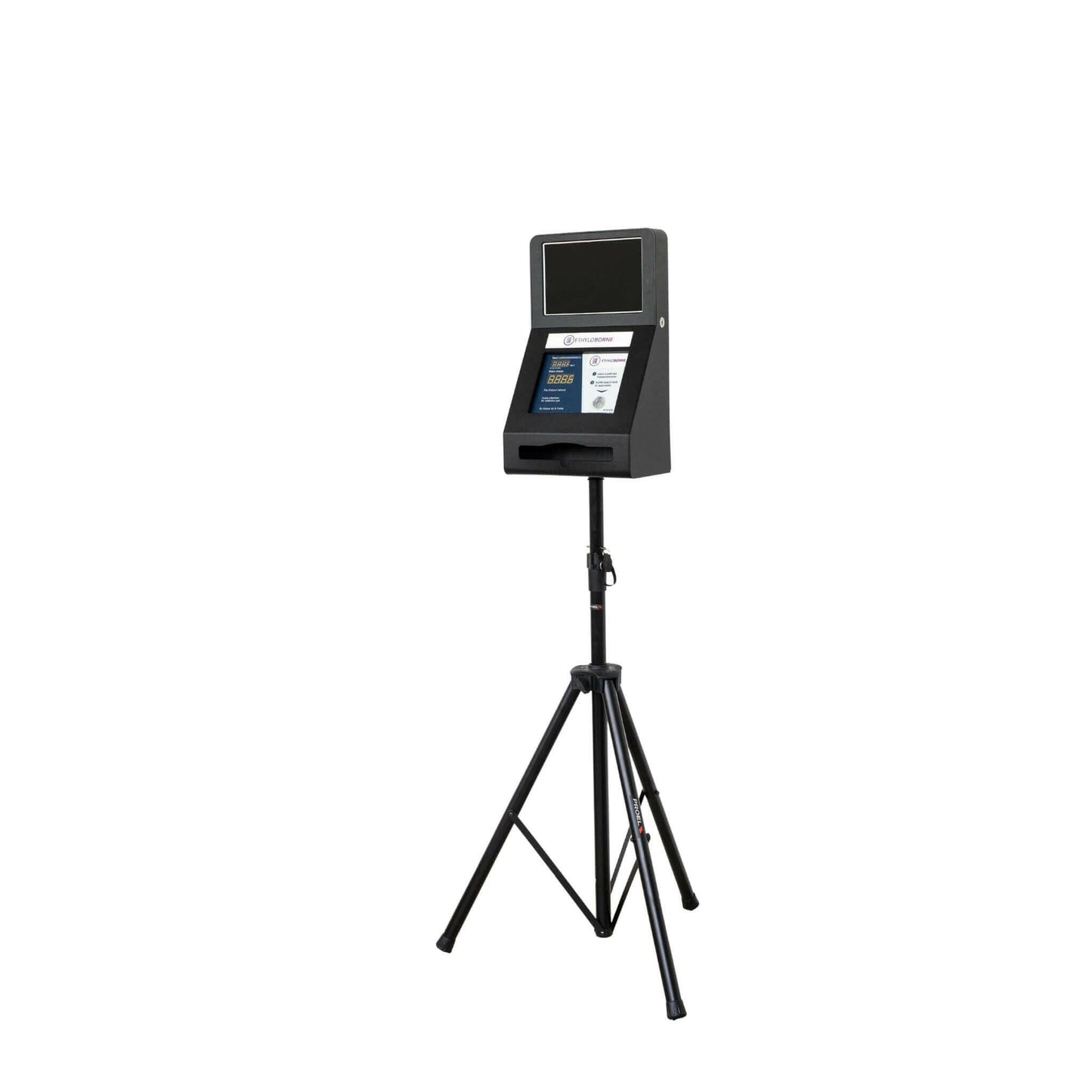
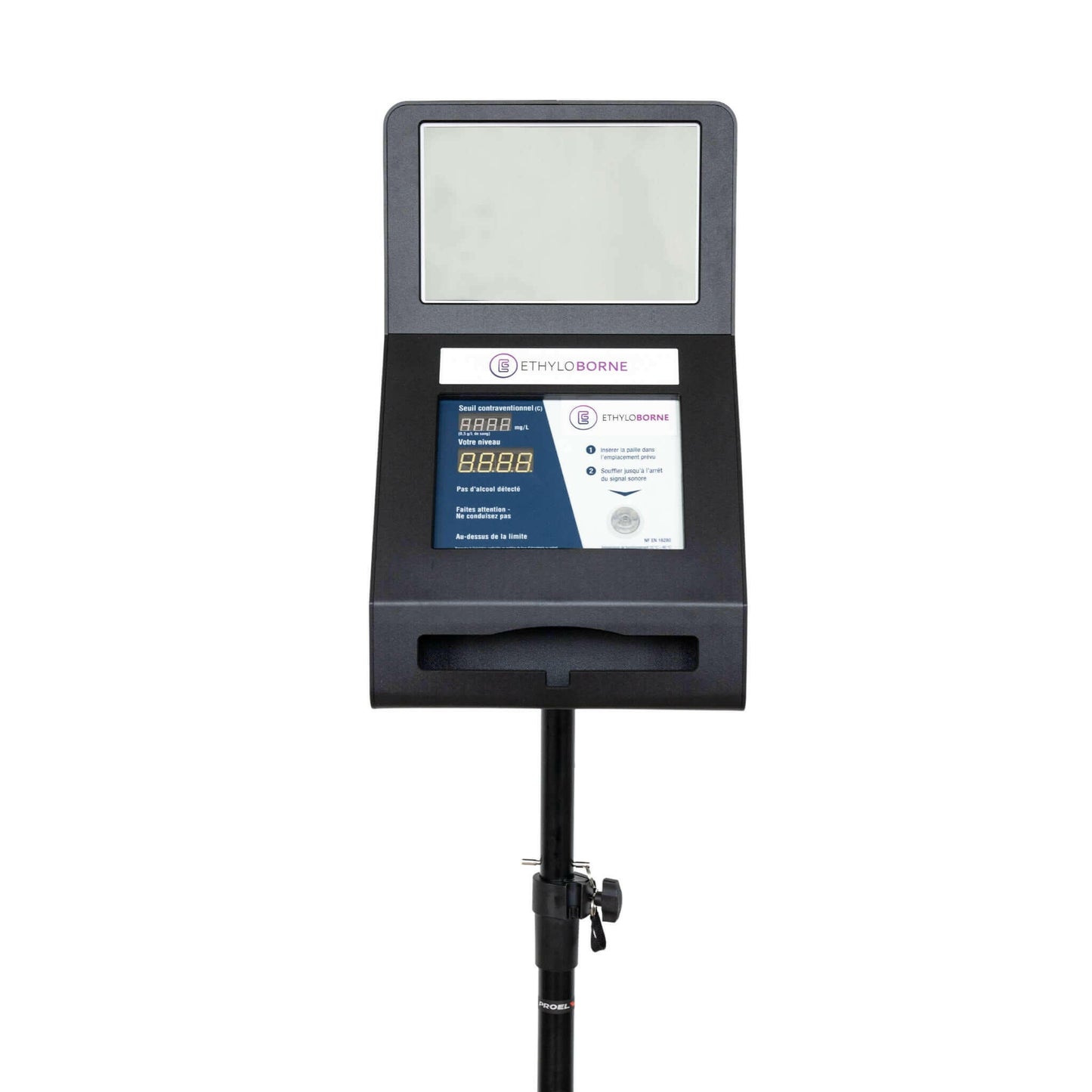
Ethyloborne®: electronic breathalyzer terminal for events and businesses

Ethyloborne® is an electronic breathalyzer terminal designed to make self-alcohol testing accessible in collective places: events, businesses, communities, public venues, and prevention operations.

Its value is as much organizational as technical: it facilitates a visible, quick, and voluntary prevention gesture, without turning the terminal into a “driving authorization.” The safest decision is always not to drive if in doubt.

Collective use

Visible and autonomous prevention

The terminal allows users to test themselves voluntarily, with a procedure more accessible than an individual check conducted by an operator. It is suitable for high traffic and places where prevention must remain simple.

Field information gain: a terminal works better when accompanied by clear signage, available mouthpieces, a prevention message, and a secure feedback solution.

Recommended contexts
Events

Festivals, parties, concerts, meals, trade shows, and road safety operations.

Businesses

Alcohol prevention, seminar feedback, professional meals, and sensitive positions.

Communities

Device visible for public awareness and local actions.

Maintenance and limits

Maintenance and responsibility

Like any electronic breathalyzer device, the terminal must be used and maintained according to the manufacturer’s instructions. Mouthpieces, hygiene, power supply, calibration, and technical monitoring must be anticipated.

YMYL limit: a measurement should not be interpreted as an absolute guarantee of fitness to drive.

Product sheet written and updated by the AMA Prévention team. Information should be interpreted according to the manufacturer’s instructions, the context of use, and applicable regulations.

View full details