Serious discomfort in the evening: recognize the emergency and act without delay
Signs that require calling emergency services
- loss of consciousness or difficulty waking the person;
- slow, irregular, or abnormal breathing;
- seizures, major fall, or head trauma;
- repeated vomiting with drowsiness;
- severe confusion, extreme agitation, or disorientation;
- chest pain, sudden weakness, or bluish complexion.
What to do while waiting for medical help?
- stay with the person and move her away from a dangerous environment;
- check regularly that she is breathing;
- if she is unconscious but breathing, place her in the recovery position according to the operator’s instructions;
- do not give her alcohol, medication, or food;
- do not induce vomiting;
- do not let her go home alone, drive, or be taken care of by an unknown person.
Do not jump to the conclusion of GHB too quickly
GHB can cause drowsiness, amnesia, and respiratory depression, but other substances or combinations can produce similar signs. Heavy alcohol use, benzodiazepines, opioids, certain medications, or a mix of products should also be considered by caregivers.
In case of suspected chemical submission
Without delaying care, keep the drink and its container, note the times, keep any messages or available elements, and ask witnesses to remain reachable. A prompt consultation is important, as some substances become harder to detect over time.
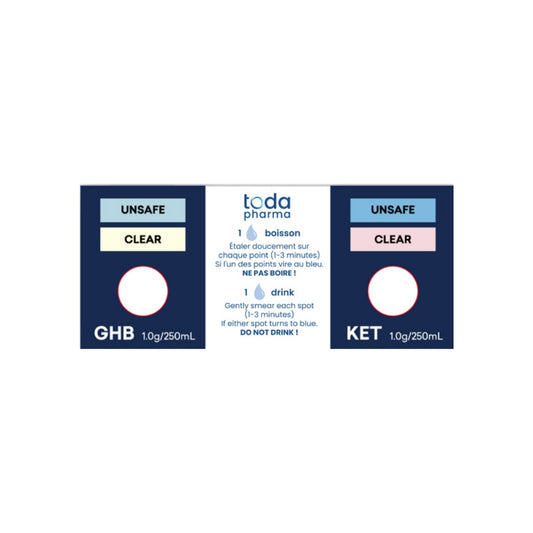
A rapid test can provide limited guidance. A negative result does not rule out chemical submission: the substance may not be included in the panel, may be below the detection threshold, or may have already been eliminated.
The role of organizers and venues
A written protocol must specify who alerts emergency services, who accompanies the person, where to secure them, and how to preserve useful evidence. The priority is never to protect the event’s image, but the person’s health and safety.