Chemical submission in TV series: what fiction should teach us
Why avoid turning a fictional scene into a how-to guide?
Precisely describing a dose, method, or expected effect can give a falsely controlled representation of an unpredictable act. Scripts often ignore individual variability, interactions with alcohol, illnesses, treatments, and the risk of death.
The right approach is to talk about the consequences, consent, and ways to respond, without detailing an administration technique.
Everyday medications can be misused
Benzodiazepines and other sedative medications are prescribed for specific medical indications. Outside of prescription or administered without a person’s knowledge, they can cause drowsiness, confusion, coordination problems, amnesia, and loss of consciousness.
The risk increases significantly with alcohol, opioids, and other central nervous system depressants.
Chemical submission and chemical vulnerability
Chemical submission refers to administering a substance without the victim’s knowledge or consent. Chemical vulnerability concerns an assault facilitated by a substance voluntarily consumed beforehand.
Signs that should raise alarm
- disproportionate intoxication or drowsiness;
- sudden confusion or difficulty speaking;
- unusual balance problems;
- memory gaps;
- nausea, discomfort, or loss of consciousness;
- very different behavior after low consumption.
These signs alone do not prove chemical submission. However, they justify securing the person and a rapid medical evaluation.
What to do if you suspect it?
- stay with the person and remove them from danger;
- call emergency services in case of discomfort or immediate danger;
- do not let them leave alone or drive;
- keep the drink, container, and any useful items when possible;
- seek medical attention quickly, as some substances disappear rapidly from the body;
- respect their choices and avoid any blaming questions.
The role of detection tools
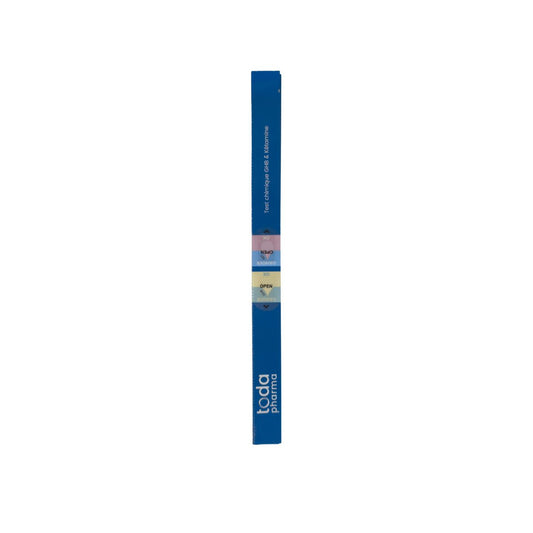
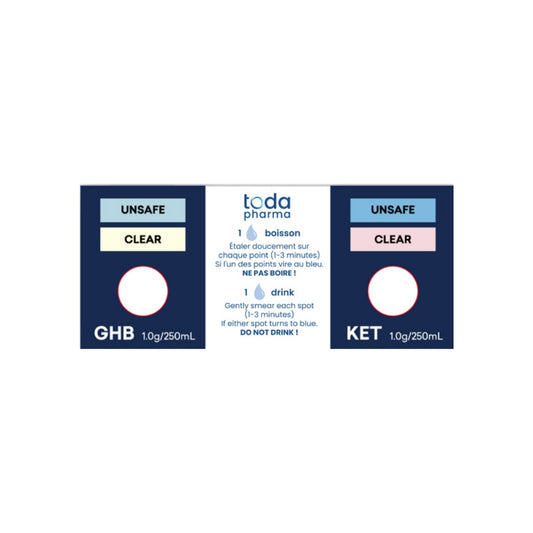
Drink tests can detect certain substances under certain conditions. They do not detect all molecules and do not replace medical or toxicological analysis.
The strongest prevention combines collective vigilance, trained staff, quick access to a safe space, preservation of evidence, and referral to emergency services.