Chemical submission: AMA Prévention's concrete commitments in 2026
Understanding before equipping
Chemical submission refers to administering a substance without a person’s knowledge or consent. Chemical vulnerability refers to an assault facilitated by a substance voluntarily consumed beforehand.
Tools whose limits must be explained
AMA Prévention offers several categories of solutions:
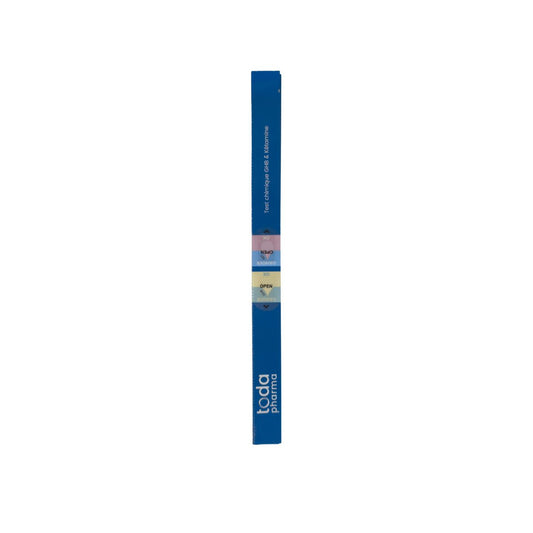
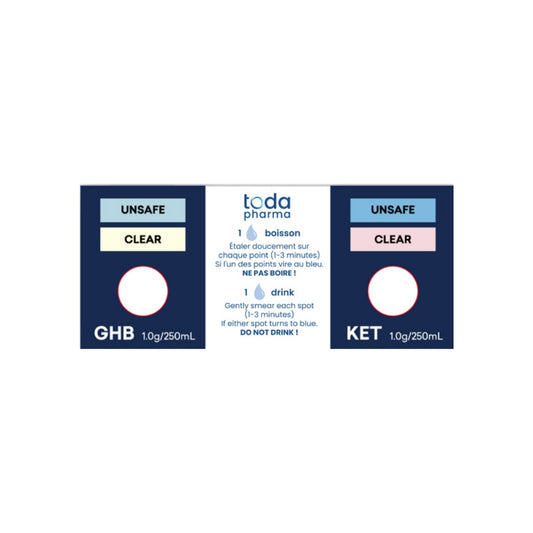
- Test Ton Verre® bracelets and cards targeting GHB and ketamine in drinks;
- B-SAFE, a connected device designed to analyze a drink and display detection details via a mobile interface;
- Drugdiag® saliva and urine tests adapted to certain biological procedures;
- breathalyzers and road safety solutions;
- awareness materials and support for organizers.
A drink test and a biological test do not serve the same purpose. No rapid device detects all substances or replaces medical or toxicological analysis.
Commitment to organizers
Bars, festivals, local authorities, student associations, and companies need a comprehensive protocol. AMA Prévention helps them structure:
- team training;
- public information;
- proper distribution of tools;
- identification of a safe space;
- preservation of useful elements;
- quick referral to emergency services and competent professionals.
Preventing without shifting responsibility
Asking only the public to watch their drinks is insufficient. Establishments must act on the environment: welcoming reports, trained staff, vigilance around suspicious behavior, protecting the person, and calling emergency services.
Detection tools should be presented as complementary means, never as a guarantee or an obligation placed on a victim.
Innovation and French manufacturing
AMA Prévention develops and distributes solutions from Strasbourg, within the Toda Pharma environment. Commercial, technical, and after-sales support is provided in France for the relevant solutions.
The company supports French innovation and works to make devices accessible to professionals, associations, and organizers who want to go beyond mere symbolic communication.
What to do in case of suspicion?
- ensure the person’s safety and stay with them;
- call 15 or 112 in case of illness or danger;
- call 17 when police intervention is necessary;
- do not let the person drive or leave alone;
- keep the drink, container, and any available elements;
- seek medical consultation quickly, as some substances have a short detection window;
- listen without judgment and respect the person’s decisions.
Our goal for 2026
AMA Prévention continues developing field-adapted solutions, training users, ensuring transparency about performance and limits, and building partnerships with prevention stakeholders.
The priority is not to multiply gadgets but to enable a faster, more structured, and more respectful response to individuals.