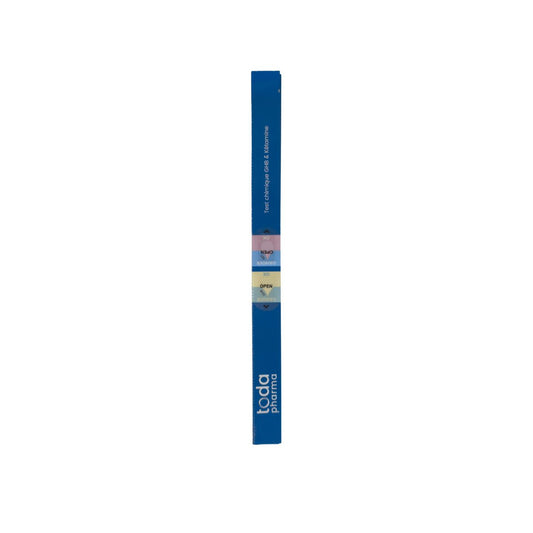
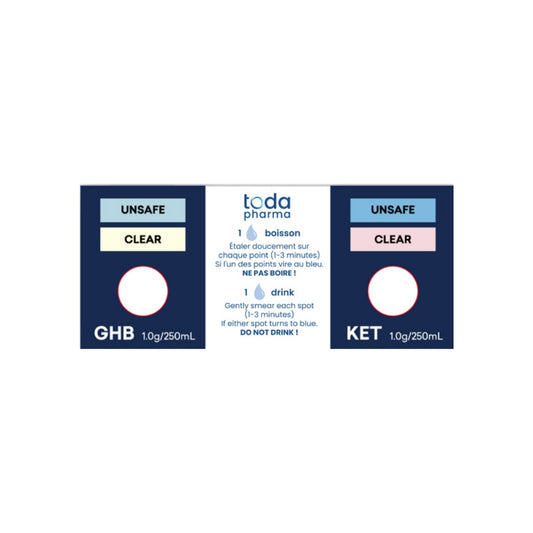
Capote2Verre®: protect your glass without creating a false sense of security
How does a glass protector work?
The principle is simple: a membrane or flexible lid covers the opening of the glass while allowing a straw to pass through. This barrier limits direct access to the drink and can also reduce splashes.
Its practical effectiveness depends on compatibility with the container, proper placement, product condition, and use throughout the necessary duration.
What it can provide
- to make it more difficult to discreetly add something from above the glass;
- to formalize a prevention approach during an event;
- to open dialogue about risks and ways to ask for help;
- to complement a protocol implemented by organizers or the venue.
What it cannot guarantee
- the absence of substances in the drink;
- protection against a drink prepared or replaced out of the person's sight;
- the detection of GHB, ketamine, medications, or other substances;
- the prevention of all forms of chemical submission or vulnerability;
- the care of a person already showing symptoms.
How to use it properly?
- check that the protection is intact and fits the glass diameter;
- put it in place as soon as the drink is served;
- avoid removing and replacing it multiple times;
- keep the glass with you and do not accept an already opened drink from an unknown person;
- replace the device if it is torn, loose, or poorly fitted;
- when in doubt, do not consume the drink.
Responsibility should not fall on the public
Distributing protections does not exempt a bar, festival, or organizer from training their staff and having an emergency procedure in place. Collective prevention also includes a visible reporting point, a team able to listen, a safe space, and quick access to emergency services.
A disoriented person should not be expelled or left alone. Disproportionate intoxication, sudden drowsiness, confusion, or loss of consciousness may indicate a medical emergency.
Protection, detection, and screening: three different functions
- glass protection: creates a physical barrier;
- drink test: detection of certain defined substances in a liquid;
- biological test: detection of substances or metabolites in saliva or urine.
These tools can be complementary, but none cover all substances or all situations.
Discover prevention solutionsPrepare an event setup