Awareness Campaign in Quebec: Fight Against GHB Poisoning
Towards a Safer City: Awareness and Prevention of GHB Poisoning in Quebec City
In Quebec City, police officers are engaging in an awareness campaign with bar owners to prevent GHB poisoning, also known as the date rape drug, which occurs without the victims' knowledge. This initiative aims to address a crime that is still too rarely reported but considered by some bar owners as a real scourge.
The pair of officers arrive at Ozone, a bar on Grande Allée, at 10 a.m. The place is empty. The agents from the ACCES alcohol unit of the Quebec City Police Service (SPVQ) meet with Émile Lebel, the owner, to discuss measures to limit the risks of involuntary poisoning of customers.
Émile Lebel, aware of the seriousness of the situation, is receptive to the officers’ message. Having himself faced numerous cases of GHB poisoning, he describes this problem as a "scourge" that he must manage regularly.
Despite frequent interventions by his security team during the pandemic, incidents related to GHB still occur, though less often. The officers assure Mr. Lebel that their visit is not due to any suspicion regarding his establishment but is part of a series of similar meetings.
Victims of GHB poisoning, mainly young women, lose consciousness inside or outside bars, often at closing time. It is often difficult to determine where and when they were drugged.
Despite precautions such as having a security team and searches at the entrance, Émile Lebel acknowledges that it is difficult to eliminate all risks. The dynamic and lively conditions of bars complicate the task. He expresses the challenge and concern of seeing customers go home in a worrying state.
This awareness campaign highlights the importance of collaboration between police authorities and bar owners to prevent incidents related to GHB poisoning. Awareness and vigilance are essential to ensure the safety and well-being of customers.
Use of Prevention Devices: An Effective Approach
To effectively combat the scourge of GHB poisoning in Quebec City bars, the use of prevention devices proves to be an effective approach. Among these tools, the Drink Safe GHB Detector, anti-drug glass protectors, and glass protection covers play a crucial role.
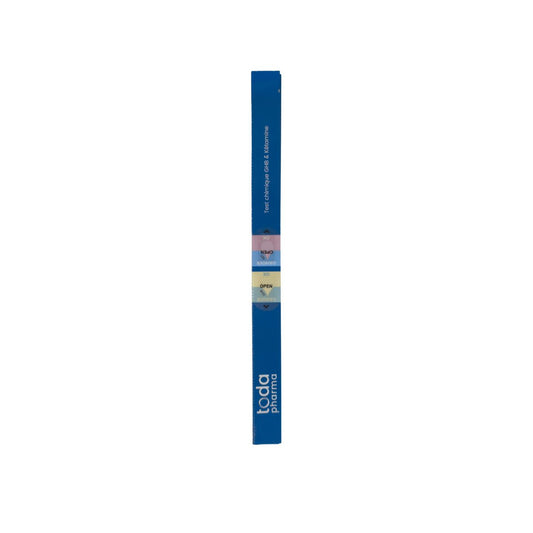
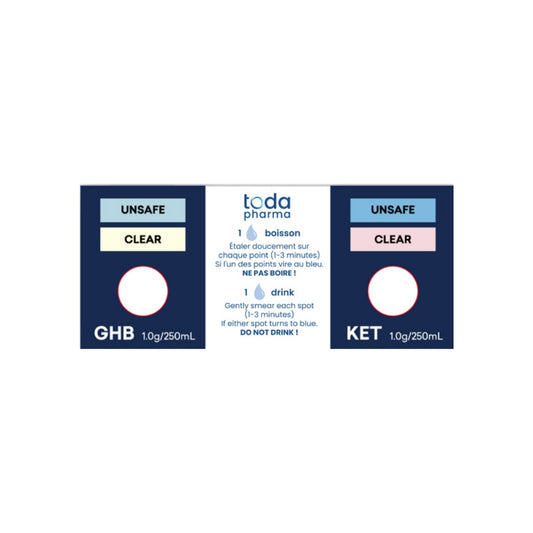
The Drink Safe GHB Detector is an innovative device that detects the presence of GHB in a drink. Simply place a drop of the liquid to be tested on the detector, and it changes color if traces of GHB are detected. This tool offers a simple and quick method for customers to check the safety of their drinks before consuming them, providing peace of mind against poisoning risks.
Additionally, glass protection covers, also called "covers," are another important precautionary measure. They are placed on top of glasses, providing a physical barrier against any attempt at contamination. These covers offer extra protection to customers by reducing the risk of ingesting unwanted substances.
By integrating these prevention devices into their daily practices, bar owners can significantly contribute to the fight against GHB and other dangerous substances poisoning. These tools not only provide additional protection to customers but also reinforce the establishments’ commitment to the safety and well-being of their clientele. By working together to promote the use of these devices, Quebec City’s bar community can take proactive steps to prevent and reduce incidents related to chemical submission.
⚠️ Prevention and Safety: Beware of Fake Anti-GHB Tests
The market is flooded with “anti-GHB” paper gadgets made in Asia, without scientific validation or proven effectiveness. The Test Ton Verre® bracelets and cards from AMA Prévention are genuine devices developed in laboratories, made from durable materials and designed by a French Manufacturer. Don’t entrust your safety to a counterfeit: demand certified and reliable protection against chemical submission.
Also discover: for bars, festivals, associations, communities, and event organizers, B-SAFE, the drug detector pen for drinks, adds an electronic prevention solution to anti-chemical submission devices.
B-SAFE Scientific Validation
The B-SAFE project, a drug detector pen for drinks, is validated and supported by Professor Jean-Claude Alvarez, toxicologist, professor of pharmacology-toxicology, and director of the toxicology laboratory at CHU Raymond-Poincaré/AP-HP in Garches.
An authority in toxicology, he is associated with leading research in France on psychoactive substances and chemical submission, within a national ecosystem also represented in public debate by voices such as Sandrine Josso and Caroline Darian.
This validation strengthens B-SAFE’s technological positioning and the accuracy of its detection for preventing drugs in drinks. Discover the B-SAFE product sheet.